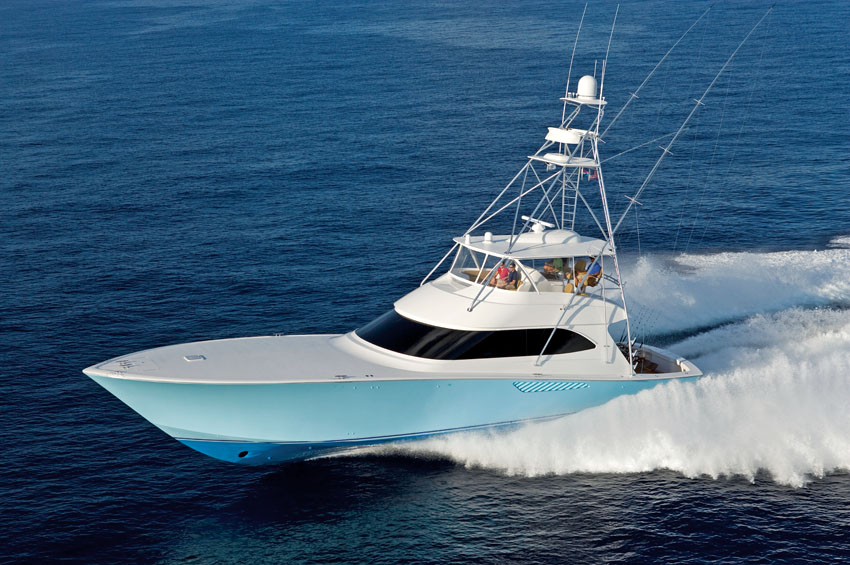
Sport Fishing Techniques for Offshore Success
Master the art of offshore sport fishing with proven techniques, tackle recommendations, and strategies for landing trophy fish in deep waters.
Sport Fishing Techniques for Offshore Success
Offshore sport fishing represents the pinnacle of angling adventure, combining skill, patience, and the thrill of battling powerful game fish in open waters. Whether you're targeting marlin, tuna, or mahi-mahi, success requires understanding techniques, equipment, and ocean conditions.
Essential Offshore Fishing Techniques
Trolling for Pelagic Species
Trolling remains the most effective method for covering water and locating active fish. Maintain speeds between 6-9 knots depending on target species. Use a spread of 4-6 lines at varying distances (50-300 feet behind the boat) to maximize coverage.
Alternate lure types and colors to determine what fish are hitting. Position lines at different depths using downriggers, planers, or weighted lines. The shotgun position (farthest back) often produces strikes from following fish.
Live Bait Fishing
Live bait produces explosive strikes from trophy fish. Rig live bonito, mackerel, or skipjack on circle hooks for tuna and marlin. Free-line baits in current lines or near floating debris.
Keep bait lively by maintaining proper water temperature in your livewell (68-72°F for most species). Change water regularly and don't overcrowd the well. A lively bait is far more effective than a sluggish one.
Reading Offshore Conditions
Finding Productive Water
Look for temperature breaks where warm and cold water meet—these edges concentrate baitfish and predators. Current rips, color changes, and floating debris (sargassum, logs) attract game fish.
Birds diving indicate feeding activity below. Frigatebirds and terns are especially reliable indicators. Use your fishfinder to locate bait schools and structure. Offshore seamounts and ledges hold fish even when surface signs are absent.
Weather Considerations
Calm seas allow better boat control and fish spotting. Light winds (5-15 knots) create ideal trolling conditions. Avoid fishing in seas over 6 feet unless you have experience and a capable vessel.
Monitor weather forecasts closely and always prioritize safety over fishing. Have a float plan and check in regularly. Carry proper safety equipment including EPIRB, flares, and life jackets.
Tackle and Equipment
Rod and Reel Combinations
For general offshore fishing, use 30-50 lb class conventional reels paired with 6-7 foot rods. Lighter 20 lb setups work for smaller tuna and mahi-mahi. Heavy 80-130 lb gear is necessary for large marlin and giant tuna.
Match your tackle to your target species and fishing method. Spinning gear works well for casting to surface-feeding fish. Conventional reels provide more power for deep jigging and fighting large fish.
Lure Selection
Stock your tackle box with skirted trolling lures in multiple colors (blue/white, green/yellow, pink/white). Include cedar plugs, feathers, and diving plugs for variety.
Soft plastic swimbaits work excellently for mahi-mahi and tuna. Poppers and stickbaits create surface commotion that triggers aggressive strikes. Match lure size to baitfish size in the area.
Fighting and Landing Fish
Hook-Up Protocol
When a fish strikes, let it eat the bait for 3-5 seconds before engaging the reel. With circle hooks, simply reel tight—no hook-set needed. Clear other lines immediately to prevent tangles.
Assign crew roles: angler, gaff person, and line clearers. Communication is critical during the fight. The captain should maneuver the boat to help the angler, backing down on fish to gain line.
Safe Release Practices
For catch-and-release, minimize fight time to reduce stress on the fish. Keep fish in the water during hook removal when possible. Use dehooking tools and cut the leader if the hook is deeply embedded.
Revive exhausted fish by moving them forward to force water through their gills. Release only when the fish swims away strongly. Practice ethical angling to preserve fish populations for future generations.
Offshore fishing delivers unmatched excitement and the opportunity to catch fish of a lifetime. With proper preparation, technique, and respect for the ocean, you'll create memories that last forever.