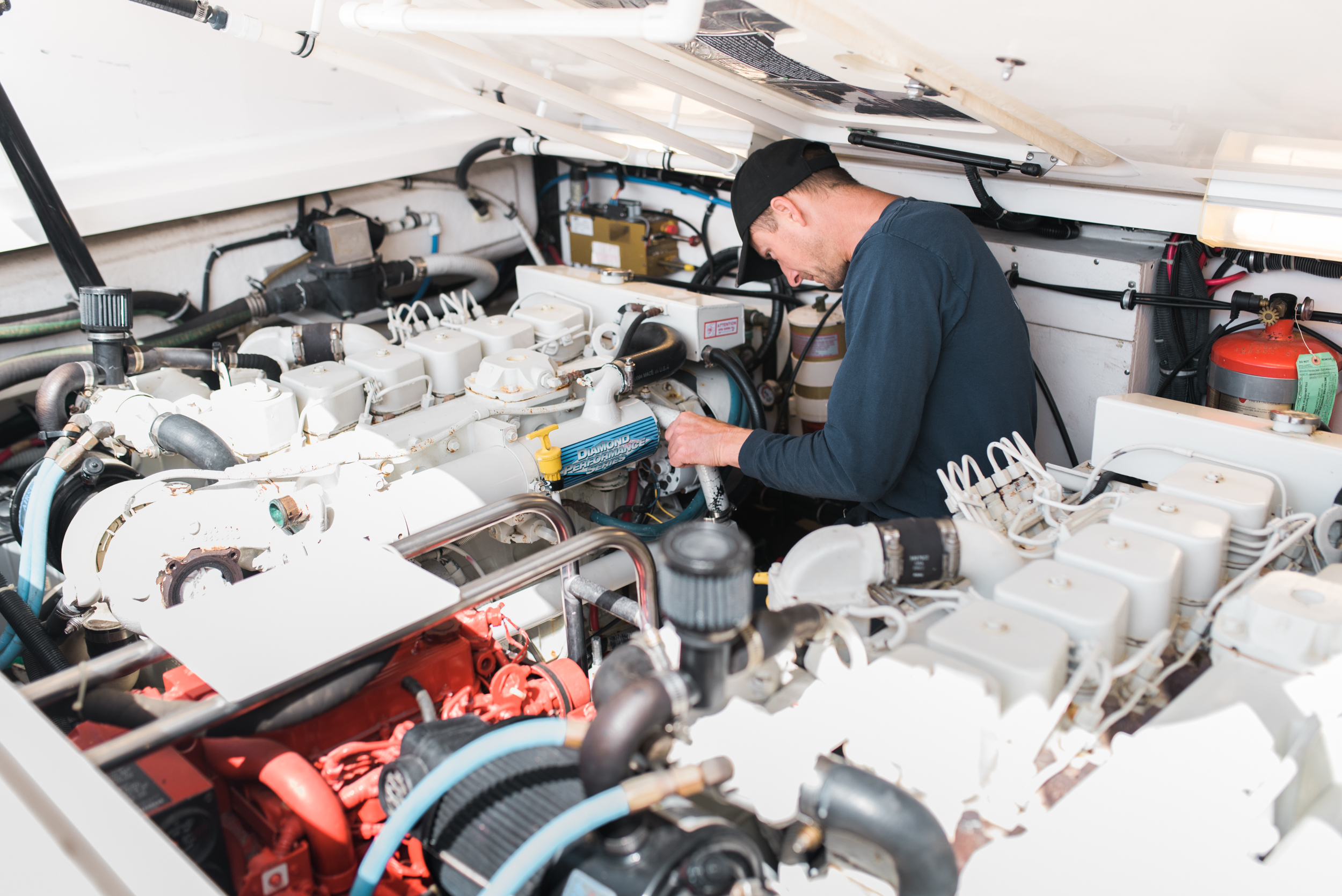
Comprehensive Yacht Maintenance: Your Seasonal Checklist
Keep your yacht in pristine condition year-round with this detailed seasonal maintenance guide covering everything from hull care to engine servicing.
Comprehensive Yacht Maintenance: Your Seasonal Checklist
Proper yacht maintenance is the cornerstone of safe, reliable, and enjoyable boating. A well-maintained vessel not only performs better but also retains its value and provides peace of mind on the water. This comprehensive seasonal guide will help you keep your yacht in optimal condition throughout the year.
Spring Commissioning
Spring is the time to wake your yacht from winter slumber and prepare for the active season ahead. This is your most comprehensive maintenance period, addressing everything that's been dormant during winter storage.
Hull and Bottom
Begin with a thorough hull inspection. Look for blisters, cracks, or any signs of osmosis. If your boat has been stored on land, this is the perfect time to address bottom paint. Remove any marine growth, sand the bottom lightly, and apply fresh antifouling paint according to manufacturer specifications.
Check through-hulls and seacocks. These critical components should operate smoothly and show no signs of corrosion. Replace any questionable seacocks—they're too important to compromise on. Verify that all hoses are in good condition, properly clamped, and show no signs of cracking or deterioration.
Engine Systems
Change the engine oil and filter, even if you did so before winter storage. Inspect the raw water impeller and replace it if there's any doubt about its condition. A $30 impeller can save you from a $10,000 engine rebuild.
Check all belts for wear, cracks, or glazing. Adjust tension according to manufacturer specifications—too tight causes bearing wear, too loose causes slipping and overheating. Inspect hoses for softness, bulging, or cracking, paying special attention to exhaust hoses which deteriorate faster due to heat.
Test the cooling system by running the engine and checking for proper water flow from the exhaust. Verify that the temperature gauge reaches normal operating range and stays stable.
Electrical Systems
Battery maintenance is crucial. Clean terminals with a wire brush and protect them with dielectric grease. Load test batteries and replace any that don't hold charge properly. Check electrolyte levels in flooded batteries and top up with distilled water if needed.
Inspect all electrical connections for corrosion. Marine environments are harsh on electrical systems, and corrosion is the enemy. Use contact cleaner and dielectric grease to protect connections.
Test all navigation lights, instruments, and electronics. Replace any burned-out bulbs and verify that all systems function properly before heading out.
Rigging and Sails (for sailboats)
Inspect standing rigging carefully. Look for broken strands, cracks, or corrosion, especially at terminals and turnbuckles. If your rigging is more than 10 years old, consider having it professionally inspected or replaced.
Check running rigging for chafe, especially where lines pass through blocks or fairleads. Replace any lines showing significant wear. Inspect sail slides, hanks, and shackles for wear or corrosion.
Unfurl sails and inspect for tears, worn stitching, or UV damage. Small repairs now prevent bigger problems later. Check sail covers for deterioration and repair or replace as needed.
Summer Maintenance
Summer is your active season, but regular maintenance ensures reliable performance when you're using your boat most.
Weekly Checks
Develop a pre-departure routine. Check engine oil level, coolant level, and transmission fluid. Verify that bilges are dry and bilge pumps function properly. Test navigation lights and electronics.
Inspect lines and fenders for wear. Rinse the boat with fresh water after each outing, especially if you've been in salt water. Salt crystals are abrasive and corrosive.
Monthly Tasks
Check sacrificial anodes. These protect your underwater metals from galvanic corrosion. Replace them when they're 50% depleted—don't wait until they're completely gone.
Inspect and clean sea strainers. A clogged strainer can cause engine overheating. Lubricate seacocks and exercise them to ensure they operate smoothly.
Clean and treat teak or other wood trim. UV protection and proper cleaning prevent premature aging. Check canvas and upholstery for mildew or damage.
Mid-Season Engine Service
Around mid-season, perform an oil analysis. This simple test can detect engine problems before they become catastrophic. Check and adjust valve clearances if your engine requires it.
Inspect the fuel system. Water in fuel is a common problem. Drain water separators regularly and replace fuel filters according to manufacturer recommendations.
Fall Preparation
Fall maintenance prepares your yacht for winter storage or continued use in milder climates.
Winterization (for cold climates)
If you're in a freezing climate, proper winterization is essential to prevent expensive damage.
Change engine oil and filter. Run the engine briefly to distribute fresh oil throughout the system. Add fuel stabilizer to prevent fuel degradation and fill the tank to prevent condensation.
Drain or winterize the fresh water system. Use non-toxic antifreeze in all water lines, tanks, and the water heater. Don't forget the head (marine toilet) and holding tank.
Winterize the engine cooling system. Drain raw water from the engine and replace it with antifreeze, or use the closed cooling system antifreeze if equipped. Run the engine briefly to circulate antifreeze through the system.
Protecting Systems
Remove electronics if possible, or at minimum, protect them from moisture. Silica gel packets help absorb moisture in enclosed spaces.
Clean and dry all cushions, bedding, and fabrics. Store them in a dry location if possible. Mildew is difficult to remove and damages fabrics.
Apply corrosion inhibitor to metal parts. A light coat of oil or specialized marine corrosion inhibitor protects against rust and corrosion during storage.
Winter Storage
Proper winter storage protects your investment during the off-season.
Covered vs. Uncovered Storage
If possible, store your boat under cover. This protects against UV damage, rain, snow, and debris. If covered storage isn't available, invest in a quality boat cover or shrink wrap.
Ensure adequate ventilation under the cover. Trapped moisture causes mildew and corrosion. Solar-powered vents help maintain air circulation.
Support and Positioning
If storing on land, ensure proper support. The boat should be level and well-supported on jack stands. Block the keel properly for keel boats. Improper support can cause hull damage.
If storing in water, ensure adequate dock lines and fenders. Adjust lines regularly to account for changing water levels. Consider a de-icer if you're in a freezing climate.
Monthly Winter Checks
Visit your boat monthly during winter storage. Check that covers are secure, bilges are dry, and there's no evidence of leaks or damage. Run dehumidifiers if the boat is in enclosed storage.
Year-Round Maintenance
Some maintenance tasks are important regardless of season.
Documentation
Keep detailed maintenance records. Note dates, services performed, parts replaced, and any issues discovered. This documentation is valuable for troubleshooting, resale, and warranty claims.
Use a maintenance app like SailKeeper to track service intervals, store receipts, and set reminders for upcoming tasks. Digital records are accessible anywhere and won't be lost if paper records are damaged.
Professional Inspections
Schedule professional inspections annually. A trained surveyor or technician can spot problems you might miss. This is especially important for critical systems like engines, rigging, and electrical systems.
Have your engine professionally serviced according to manufacturer recommendations. This typically means annual service or service based on engine hours.
Preventive Maintenance
Address small problems immediately. A small leak becomes a big problem if ignored. A worn belt is cheap to replace but can cause expensive damage if it fails.
Keep spare parts on board: impellers, belts, filters, fuses, and bulbs. These common failure items can strand you if you don't have spares.
Creating Your Custom Schedule
Every boat is different, and your maintenance schedule should reflect your boat's specific needs, your usage patterns, and your environment.
Consider these factors when creating your schedule:
- Engine hours and type (diesel engines need different maintenance than gasoline)
- Water type (salt water is more corrosive than fresh)
- Climate (tropical climates accelerate deterioration)
- Storage method (in-water vs. dry storage)
- Usage frequency (heavily used boats need more frequent maintenance)
Conclusion
Consistent maintenance is the key to reliable, safe boating. While this guide covers the essentials, always consult your boat's specific manuals and follow manufacturer recommendations.
Think of maintenance as an investment, not an expense. Every hour spent maintaining your yacht prevents hours of frustration and potentially dangerous situations on the water. A well-maintained yacht is a joy to own and operate, providing years of reliable service and memorable adventures.
Start with this seasonal checklist, adapt it to your specific needs, and make maintenance a regular part of your boating routine. Your yacht—and your peace of mind—will thank you.